

Structured Learning
Follow public lessons organised by subject and connected topic groups.
SurgAtlas Learn
Search focused surgical lessons or browse by subject. Every public lesson is free to read, with no account needed.
Browse by subject
From foundational science to clinical surgery. Start with a subject, then follow its topic groups.

Surgical planes, relations, nerves, vessels and operative hazards.
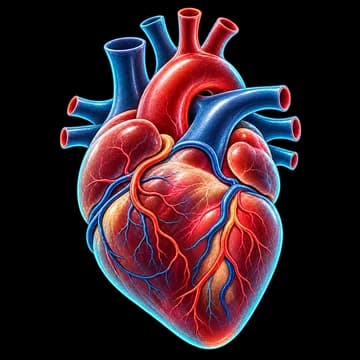
Mechanisms behind fluids, oxygen delivery, renal control and haemostasis.
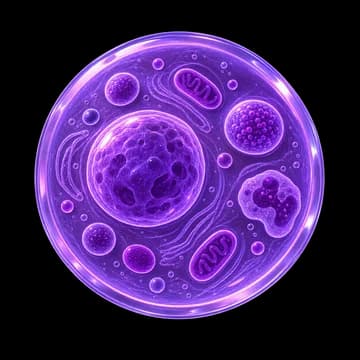
Inflammation, repair, thrombosis, neoplasia and staging.

Shock, sepsis, fluids, blood, organ dysfunction and respiratory support.

Assessment and management of time-critical surgical presentations.

High-yield presentations, investigations and surgical disease.
Popular topics
Featured lessons
One starting point from each public subject guide. Read at your own pace.
MRCS-focused inguinal canal anatomy: rings, boundaries, contents, spermatic cord coverings, Hesselbach triangle and the anatomical distinction between direct and indirect inguinal hernias.
Read lessonConnect haemoglobin, saturation, cardiac output and the oxyhaemoglobin dissociation curve to surgical shock and respiratory disease.
Read lessonA mechanism-first MRCS lesson on acute inflammation: vascular events, leukocyte recruitment, key mediators, phagocytosis and clinical outcomes.
Read lessonA surgical critical-care framework for recognising shock, separating the main physiological types and managing haemorrhagic deterioration without treating blood pressure as the diagnosis.
Read lessonMRCS-focused upper GI bleeding lesson: Glasgow-Blatchford score, resuscitation, endoscopy timing, peptic-ulcer haemostasis, variceal bleeding and rebleeding escalation.
Read lessonA structured MRCS approach to the acute abdomen: immediate threats, pain mechanisms, focused history and examination, red flags, targeted imaging and safe escalation.
Read lessonMade for focused learning
Follow public lessons organised by subject and connected topic groups.

Build surgical-science understanding with MRCS-focused explanations and recall.
Connect anatomy, mechanisms and clinical reasoning through applied teaching.

Sign in to the wider workspace for progress tracking and review activity.
The wider study workspace
These tools are part of the signed-in workspace, not anonymous public lessons.

Revisit due material through adaptive, spaced review.
Sign-in required
Practise published questions with explanations and review paths.
Sign-in required
Save personal notes alongside your signed-in learning content.
Sign-in required
See learning signals and review activity in your workspace.
Sign-in requiredYour next step
Public lessons remain free. A free account adds the wider study workspace, review tools and progress tracking.