
MRCS Part B · Surgical Education
Visual Surgical Education for the Modern Learner
A visual surgical learning platform for medical students, junior doctors and surgical trainees — structured notes, high-yield illustrations and exam-focused content aligned with the MRCS Part A and Part B curriculum.
Why SurgAtlas
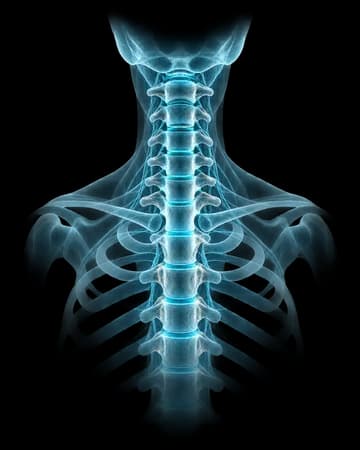
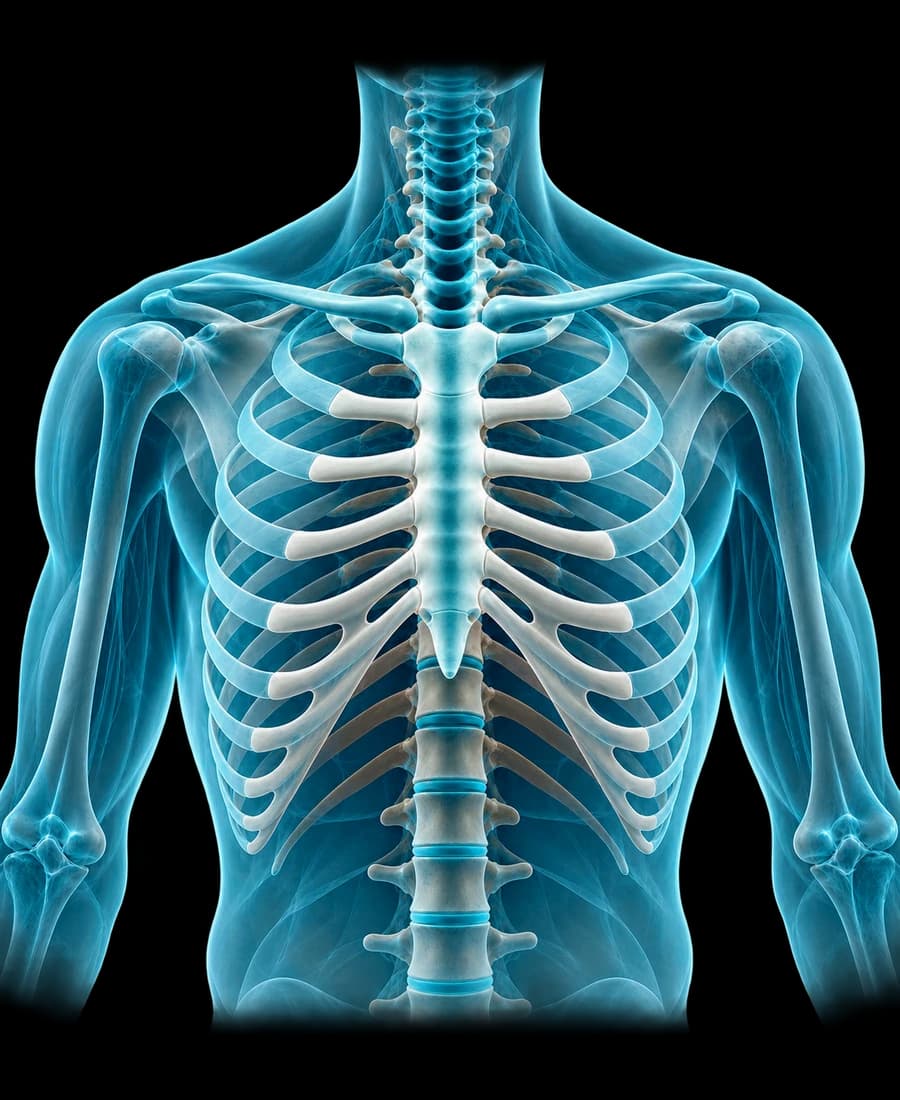
Anatomical diagrams, surgical plates, and illustrated pathology — every concept shown, not just described.
Hierarchically organised notes aligned to the MRCS Part A and Part B curriculum. Know exactly where you stand.
High-yield MRCS pearls, examiner-favourite classifications, and key differentials highlighted throughout.
Create your free account today and be among the first to explore SurgAtlas. New sections added regularly — your feedback shapes the platform.
AI-Powered Learning
SurgAtlas will integrate artificial intelligence to actively test your knowledge — not just present it.
After reviewing a topic, AI generates MRCS-style MCQs from the exact content you just read. Instant feedback with full explanations.
Practice with an AI that plays the role of an MRCS examiner — asking follow-up questions, pushing back on weak answers and scoring your responses.
Tracks your quiz scores across all topics and automatically identifies where you need more work — then builds a focused revision session around it.
Content Library
Comprehensive coverage across every MRCS-relevant specialty. Register free to unlock all content.
01
Cellular pathology, inflammation, neoplasia, immunology, microbiology and haematology.
02
Regional surgical anatomy from neuroanatomy to the lower limb.
03
Pre-op assessment, consent, intraoperative management and post-operative complications.
04
ICU principles, organ support, ventilation and the critically ill surgical patient.
05
Recognition and initial management of acute surgical emergencies across all specialties.
06
GI tract, hepatobiliary, hernias, acute abdomen, stomas and colorectal surgery.
07
Hepatobiliary and pancreatic surgery — liver, gallbladder, bile ducts and pancreas.
08
Arterial disease, aortic aneurysms, venous disease, carotid artery disease and vascular trauma.
09
Breast pathology, screening, oncology and benign breast disease.
10
Urological malignancies, LUTS, renal calculi and scrotal pathology.
11
Fractures, joint pathology, bone tumours and spinal surgery.
12
Head injury, spinal cord syndromes and neurosurgical emergencies.
13
Cardiac and thoracic surgery — valvular disease and lung resection.
14
Reconstructive surgery — flaps, grafts, burns and wound reconstruction.
15
Ear, nose and throat conditions including head and neck oncology.
16
Organ transplantation, immunosuppression, rejection and donor management.
17
Systematic surgical examination for all major systems and MRCS OSCE stations.
18
Structured history taking for surgical presentations across all specialties.
19
Consent, breaking bad news, capacity assessment and MRCS communication stations.
20
Suturing, catheterisation, chest drain, lumbar puncture and more.
The Creator
Physician, surgical educator, and designer — Dr. Ali Heidari built SurgAtlas from the ground up while preparing for the MRCS Part B examination. Frustrated by the lack of visually-driven, freely accessible surgical study resources, he set out to create the platform he wished had existed.
SurgAtlas combines clinical precision with thoughtful design — every page crafted to make complex surgical concepts not just understandable, but genuinely memorable.
Visit personal website